
Kling 4.0 Flash Video Generator
One prompt or one photo is enough: Kling 4.0 Flash Video Generator renders 3–30 seconds of 4K footage with reference assets and voices that stay in sync.
Feedback
All Tools
Browse AI tools.
MiniMax H3
MiniMax H3 AI Video Generator
Seedance 2.5
The Future of AI Video Is Here.
Seedance 2.0
The Future of AI Video Is Here.
FLUX 3 Video Generator
Kling 3.0
Next-Gen AI Video Generator
Grok Video Generator
Create Videos from Text or Images with AI
MiniMax H3 video generator
MiniMax H3 AI Video Generator
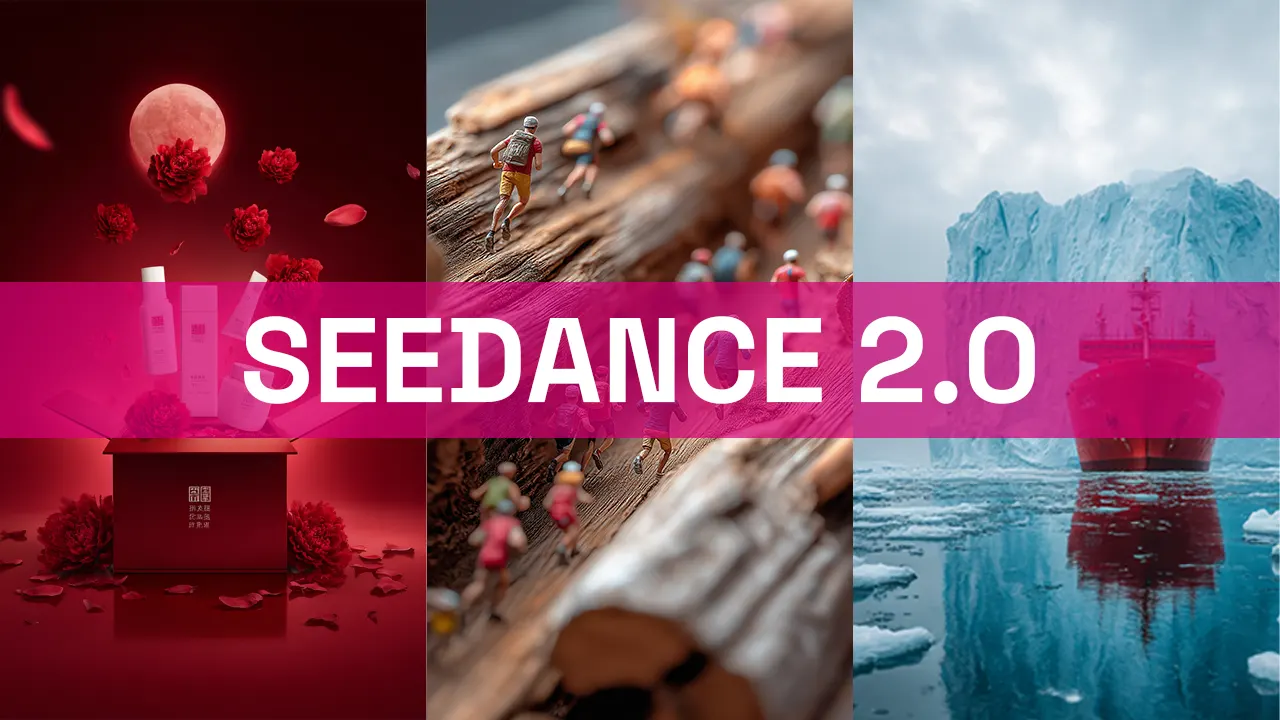
Seedance 2.0
The Future of AI Video Is Here.
The Engine Behind the Kling 4.0 Flash Video Generator
Begin with written words, a single still frame or supplied footage; each run lasts between three and thirty seconds and spoken lines land on the right beat in every supported language.
- Made by Kuaishou, One Step Past Kling 3.0This generation engine comes from Kuaishou and accepts written directions, still frames and supplied material, sitting directly after the Kling 3.0 and Turbo releases in the family line.
- Three to Thirty Seconds From a Single Run at 720p, 1080p or 4KOne submission returns clips anywhere between three seconds and half a minute at your chosen resolution, steered by as many as ten keyframes alongside fifteen reference inputs.
- One Reference Pipeline for Picture and VoiceVisual assets and audio samples travel through the same working flow, which is how spoken lines in different languages end up matching what happens on screen.
How to Use Kling 4.0 in Three Steps
Add your assets, describe the moment, review the first pass, then decide whether the scene needs more room.
Capabilities That Shape Every Render
Long single takes, one shared budget of reference inputs, and speech that tracks the visuals frame by frame.
Runs That Reach Thirty Seconds
One submission holds a complete beat — the build-up, the main action and the payoff. If the narrative needs extra room, chain another pass rather than squeezing the idea.
Output Resolutions Up to 4K
Choose 720p, 1080p or 4K, then match the frame to where it will run: 21:9, 16:9, 1:1, 9:16 or Auto, covering everything from phone-first shorts to wide-format product reels.
Fifteen Reference Inputs to Draw On
Stills, clips, voice samples and subject pieces all come out of the same pool of fifteen. Inside that pool sit ceilings of ten images, five clips totalling thirty seconds, or seven subject elements.
Speech Across Languages With Voice Samples
Assign a sample to every speaker and the finished file comes back in two-channel stereo, with each line timed to the movement no matter which language it is spoken in.
Ten Keyframes for Precise Control
Pin the beats that carry weight — an expression shift, a turn in the action, the opening and closing frame — using as many as ten images across one run.
Editing Built Around Your Own Footage
Hand over up to five clips, marking one as the lead, and adjust a face, a gesture, a background or a colour treatment. Each piece lasts three to thirty seconds and the sum stays inside thirty.
Answers to Common Kling 4.0 Questions
What each run can cover, how the input limits add up, and what to double-check before pressing Generate.
What is the maximum length of a single clip?
Between three seconds and thirty. Longer sequences are handled by continuing an existing piece, so treat the extension options offered in the panel as a separate step rather than part of one run.
In what way do the reference limits add up?
Everything draws from one pool of fifteen. Images stop at ten, video at five clips that together last thirty seconds, subject pieces at seven — and none of those categories stack on top of the fifteen, they come out of it.
Is multilingual dialogue possible with voice references?
Yes. A sample shapes how a character sounds, takes up one slot from the fifteen, and works alongside lip and audio alignment across languages. Watch the output back to confirm each line lands where you intended.
Can I edit existing footage with this model?
You can. Five clips may be submitted with one flagged as the lead, each running three to thirty seconds, and their combined length has to stay under the thirty-second mark.
What is the keyframe image limit?
No more than ten. They are best spent on the moments that matter — a pose, a scene shift, a facial change — while keeping the subject and the lighting consistent between them.
Where is the credit cost displayed?
This panel draws on the Kling Motion Control credits already sitting in your account. The amount shows on the Generate button and updates whenever you adjust a setting, so check it before you commit.
Start Creating With the Kling 4.0 Flash Video Generator
Jump into the panel, load your assets, and review the credit estimate plus the usage terms shown on screen before you download the final file.